
Waiting for the muse is akin to catching the wind. I worked on this tiny watercolor painting for almost half a year. It witnessed life-altering events that even my closest friends don’t know. Paintings of this size usually take me a couple of weeks to finish if I only have my mornings to work on it, faster if I’ll be working on it on the weekends, too.
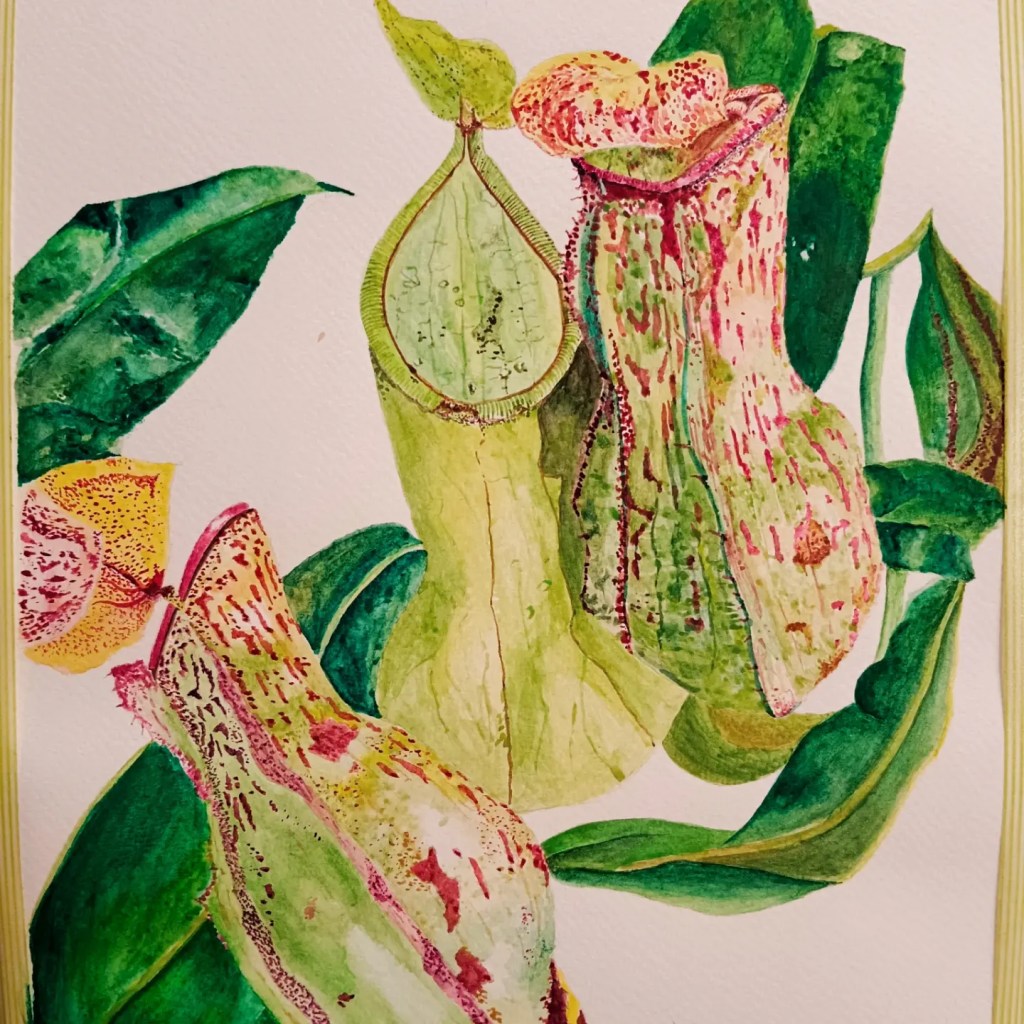
I started working on it at the same time I was wrapping up my data for my Master’s thesis. And because of that, I knew getting this painting done would take me longer. I expected to finish it a few weeks longer than usual, but I never fathomed the upheavals that were about to happen.
During the Renaissance, artists and scholars would call upon one of the Nine Muses — the inspirations for literature, science, and the arts — and ask for divine revelations to inspire their work. Some artists still call upon one of the sisters while some, like Leonardo da Vinci, would find inspiration from people within their lives.
Instead of a nurturing, ethereal goddess, I always imagined my muse to be a laid-back but brooding man in his prime, probably also wearing a robe like ancient Greeks do, sitting grumpily beside me while impatiently waiting for my work to be done. Much like Alexandre Cabanel’s “Fallen Angel.”

Before I moved to a new city, I had this sweet little corner in my old home where I would sit before sunrise and paint, write, or sketch while drinking my coffee. It’s the same corner where I would continue working as the whole world slept past midnight. I was always alone in that corner but never truly lonely.
I would toil on my art, perfectly happy even when stumbling. There were days when I knew my muse sat beside me as I was anxious, like he was, to finish the painting. My colors were mixed just right, and my brush would fly and could make no mistakes, even when in haste. But there were days when my muse wouldn’t show up, perhaps distracted elsewhere, even after I pleaded that he come visit. This didn’t stop me from painting though, even when it felt like cutting my arm and bleeding every brushstroke out onto the paper. These were the days when I would sit quietly, oddly peaceful, working on my art slowly but surely. Eventually, the muse would come by, as he always did with all of my artworks.
He never visited once while I was working on “Margaritas.”
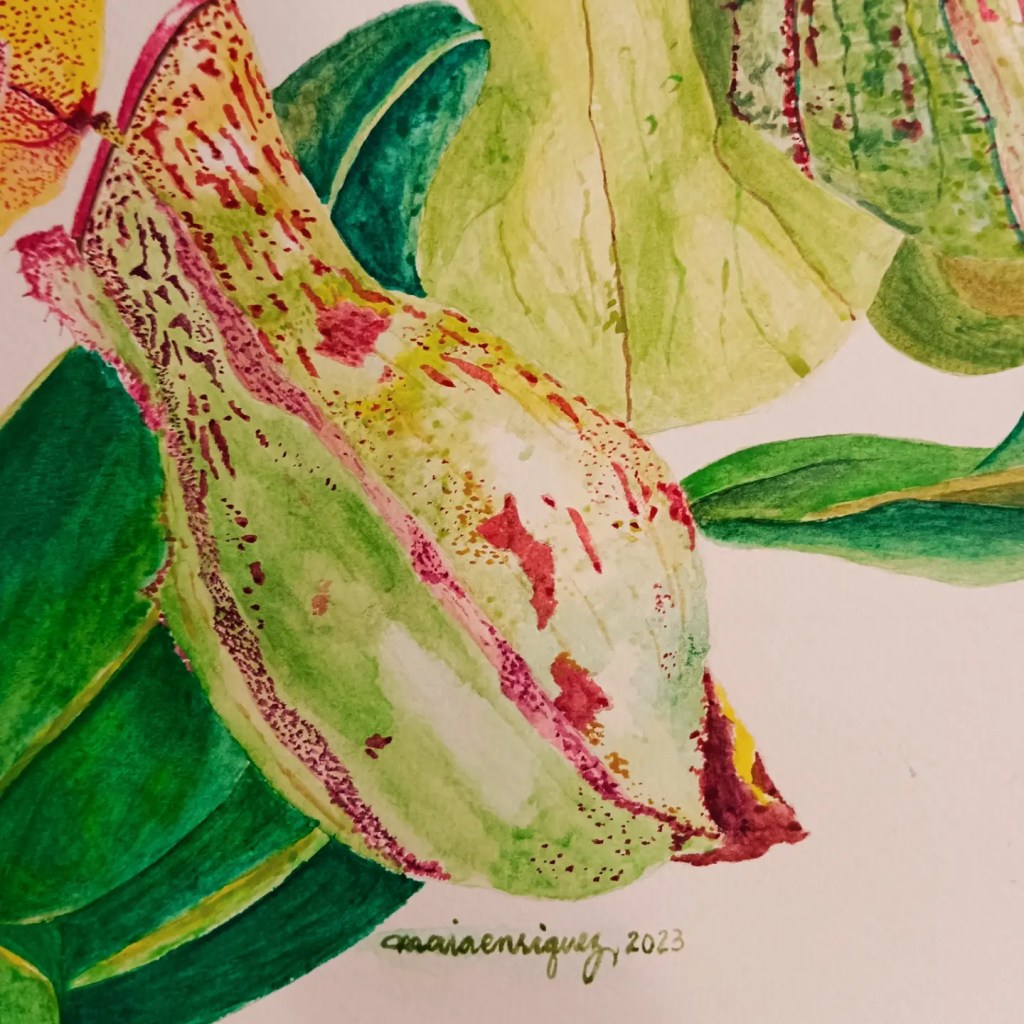
I cried a little when I finally signed my name. It was relief, bliss — as if a boulder was lifted off my shoulders. I felt inadequate and irresponsible for the past several months because I was not showing up for myself, my Art. I know I have been focusing on important things — my job, my life, and Science — but it was no excuse for taking my creativity for granted.
Sarah Gilbert’s “Big Magic” had an enormous impact on me. After reading that book, I made a vow with my creativity. I showed up, whether I was inspired or not. I used to treat painting like a passionate love affair. I’d always find time for it — ten minutes, fifteen minutes, a fleeting moment — even on a busy day. My muse can come and get me inspired, depending on his moods, but he was never a requirement for me to create. I had this idea of my muse because I wanted to believe that there was someone responsible for my creativity apart from myself. I wanted someone or something else to blame when I struggled.
Overnight, my muse turned from reality to a myth, now that I know I can create something beautiful, albeit slowly, without his presence. I finished this painting come hell or high water not because of faith in an ethereal being or anyone from the outside. I did it because I showed up for it and had faith that I still had that fire in me despite the storms I had to weather in the past months.
My muse may or may not be real, but it doesn’t make any difference to my Art anymore. After all, when a painting is done, no one, not even myself could tell which brush strokes were made with or without my muse.
 Sihay
Sihay 
Leave a comment